Stay Confident.
The latest developments, best practices and deep dives on AI evals.
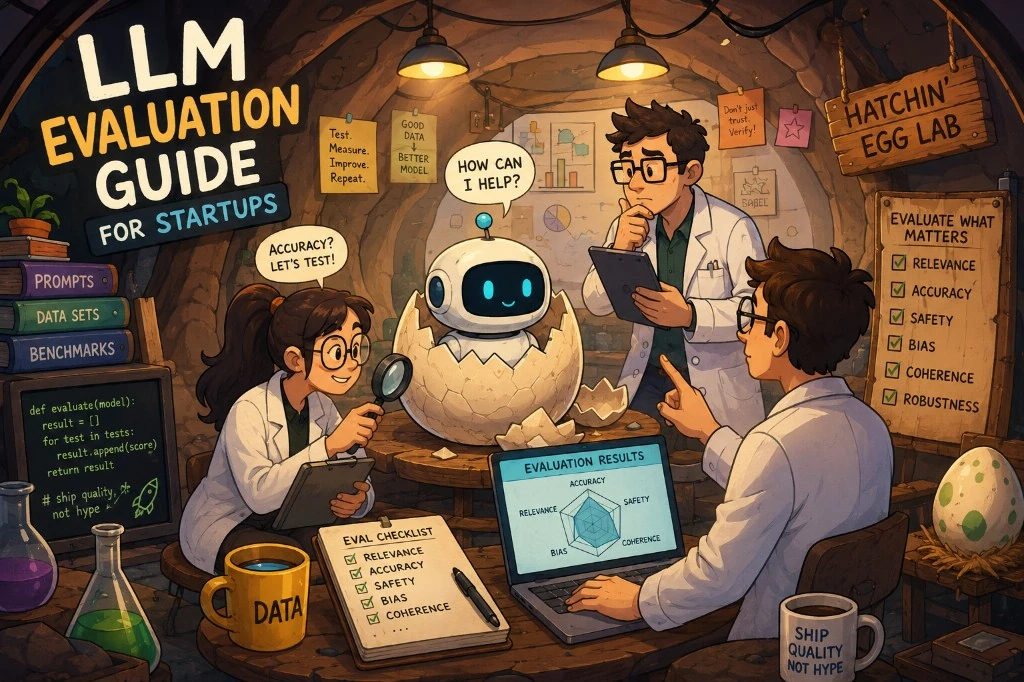
A practical LLM evaluation guide for startups: build a small dataset, use the 2 + 3 metric rule, run CI/CD evals, and grow coverage from production signals and human review.
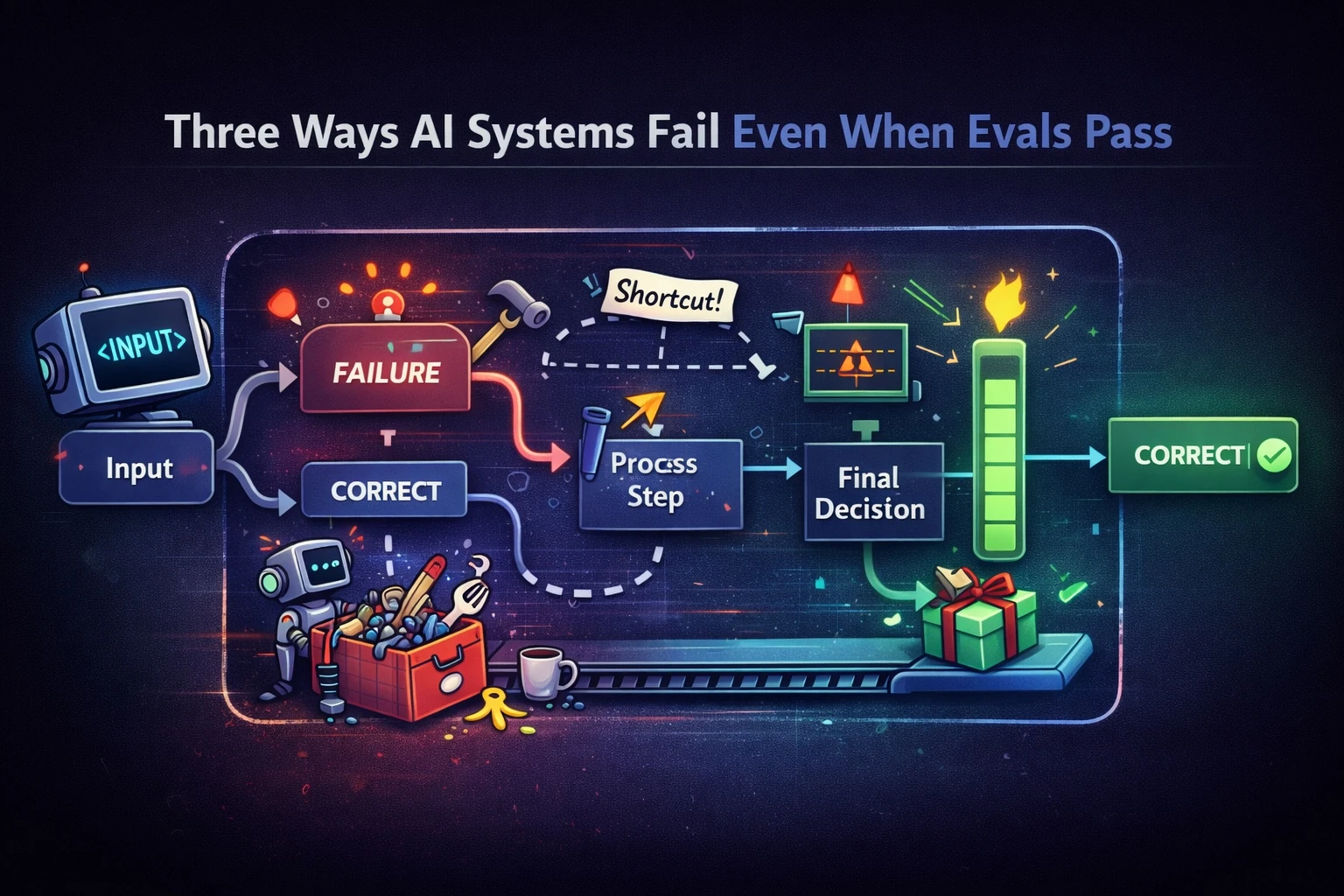
AI systems can pass evals while still behaving incorrectly. This post explores three common failure modes that slip through output-based evaluation.
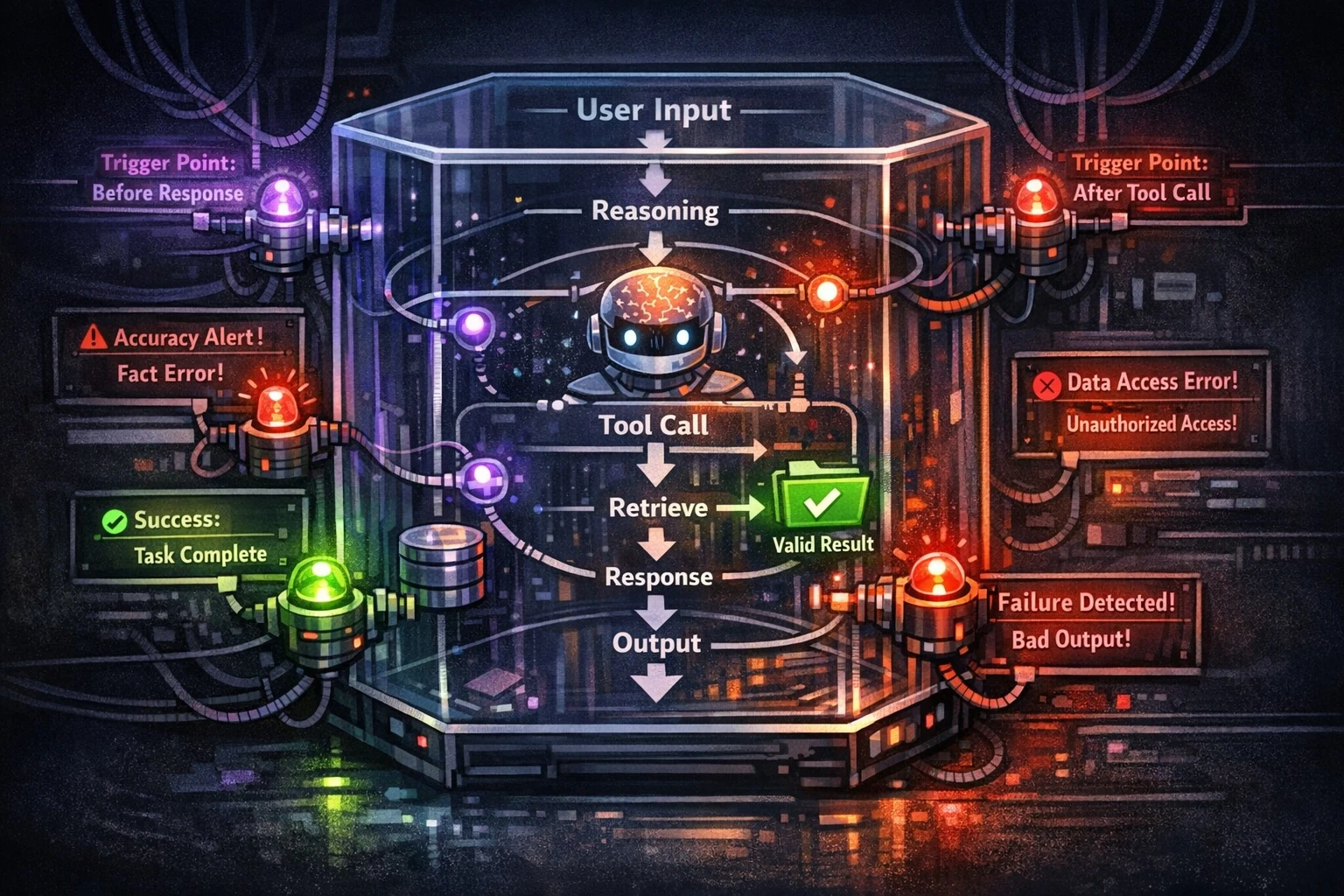
Passing evals doesn't mean your AI agent works — it means your tests missed how it fails. Why output-based evals create false confidence and what to measure instead.
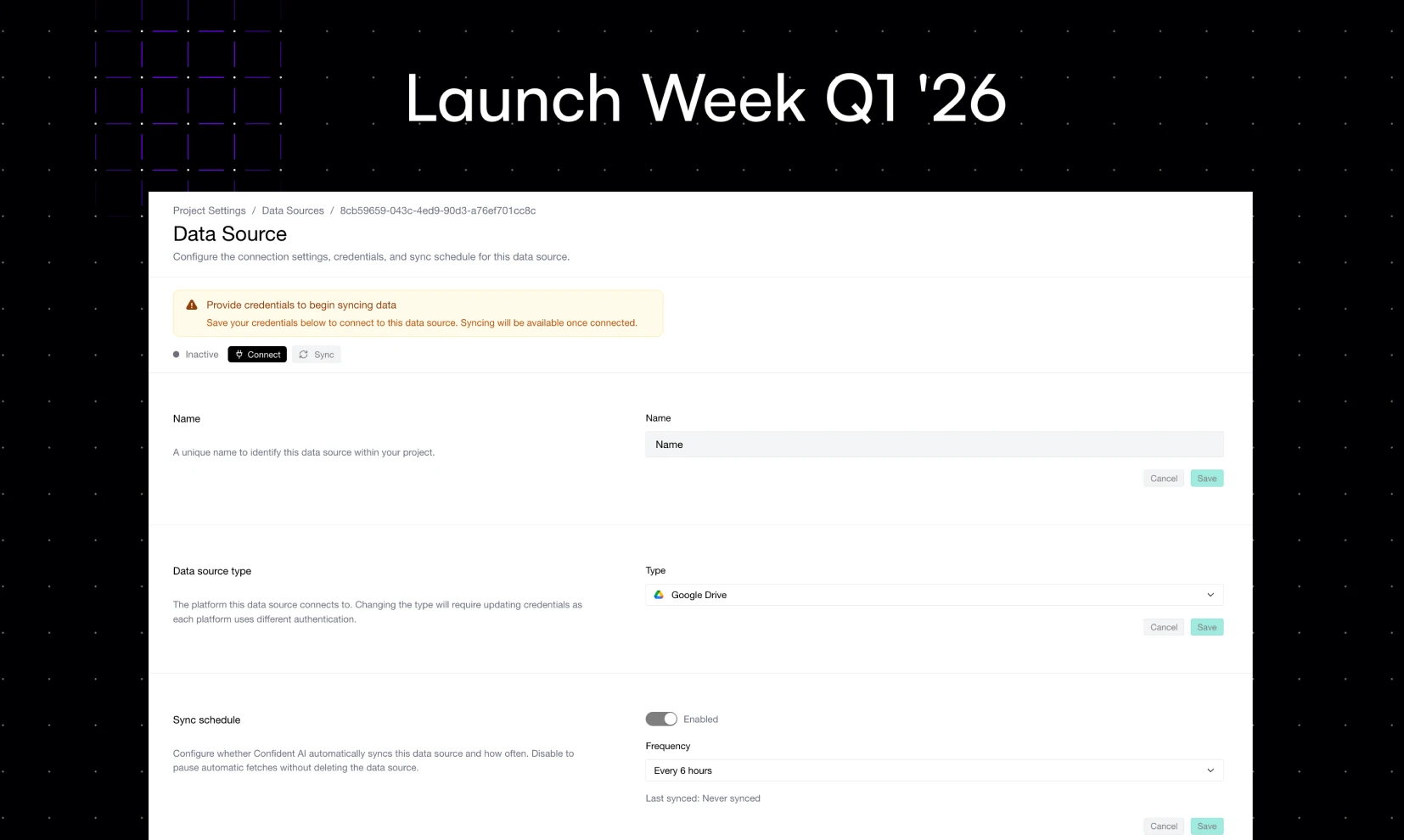
Your best evaluation data already exists — it's sitting in Google Drive, SharePoint, Notion, and S3. Dataset generation on Confident AI turns your existing documents into evaluation-ready datasets automatically.
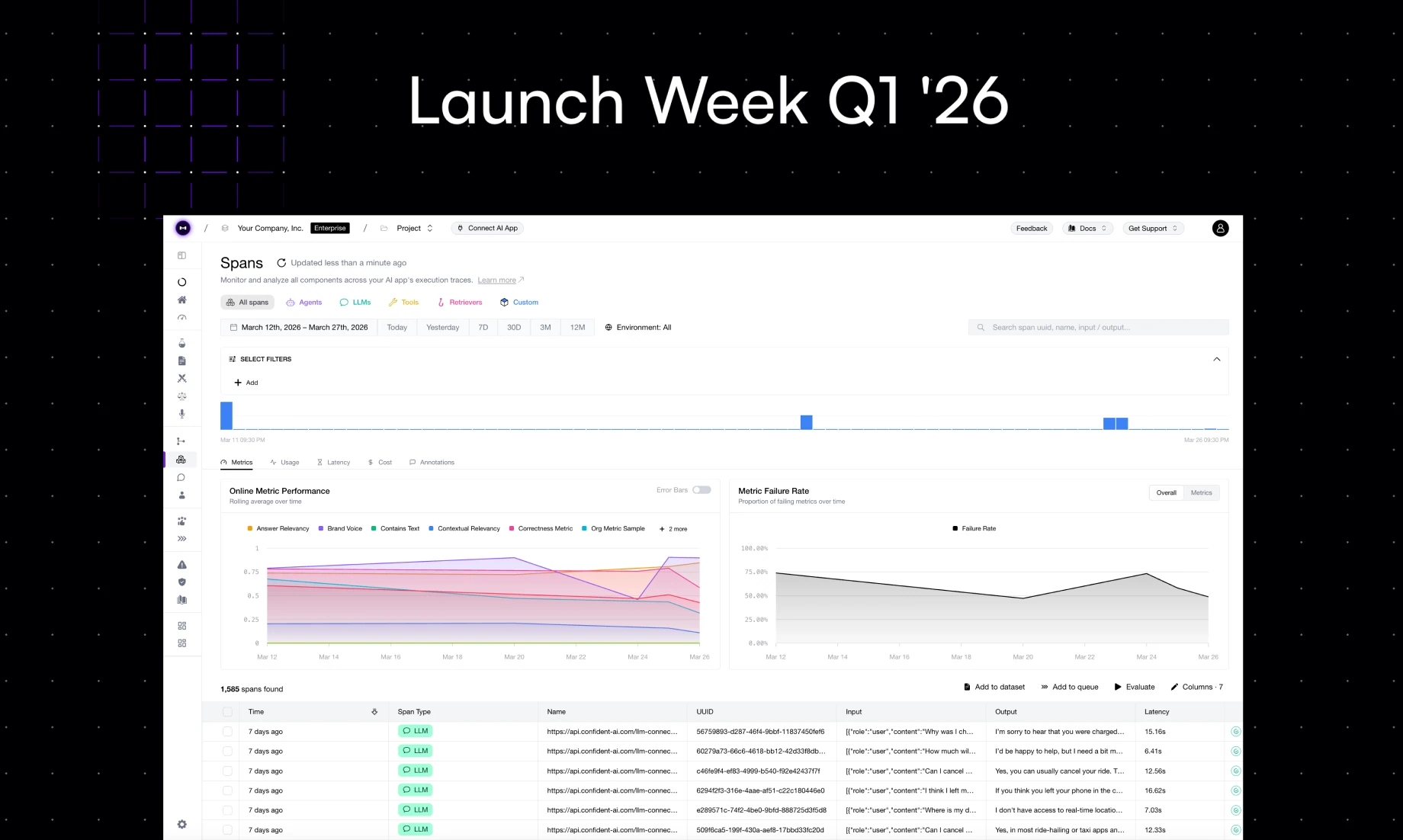
You can't improve what you can't see. Auto-categorization tells you what your users are actually asking, detects response drift, and shows you which categories perform best — and which ones need help.
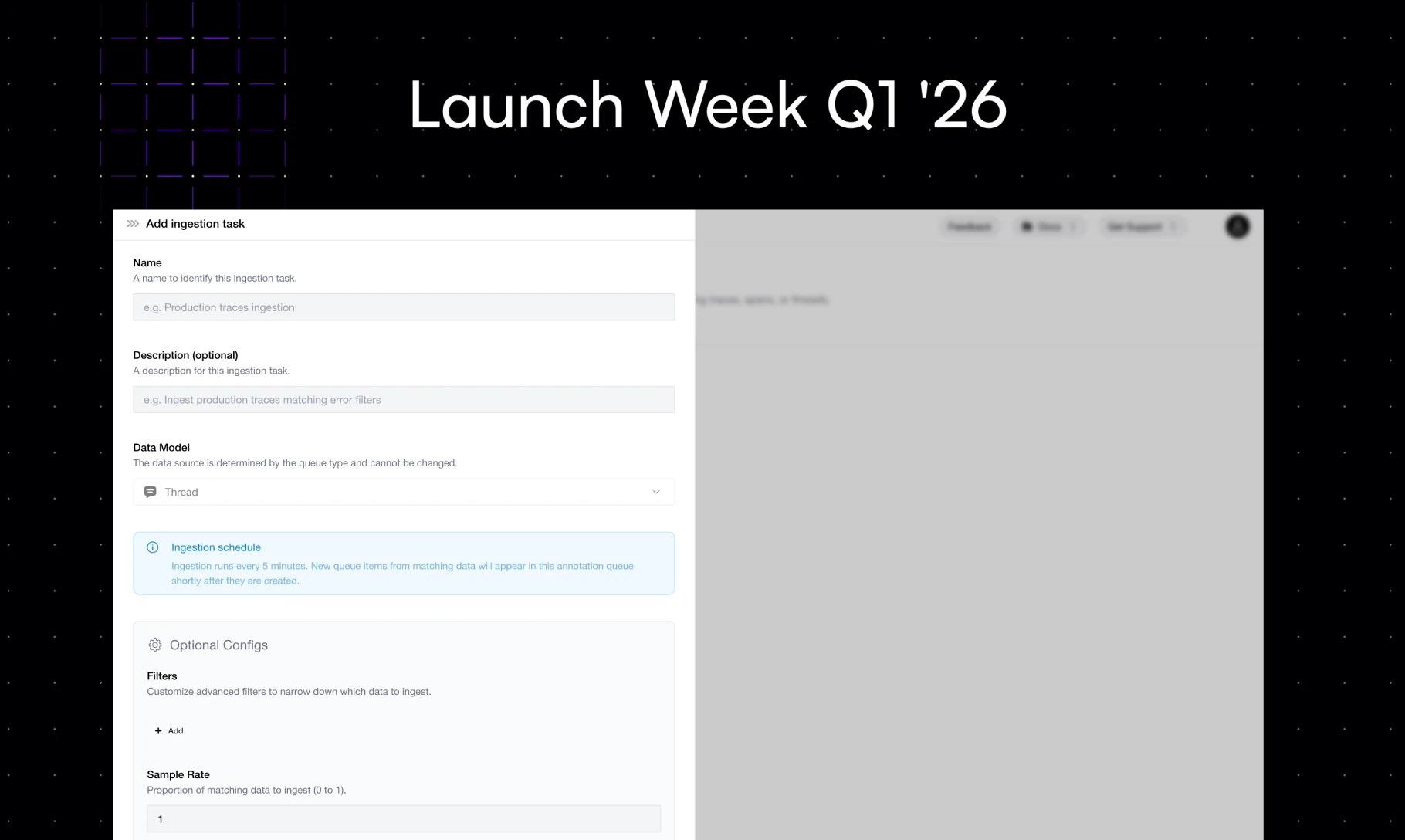
Production traces are the best dataset you’ll ever get — but most teams never turn them into one. With auto-ingest, your traces flow straight into datasets and annotation queues, continuously.
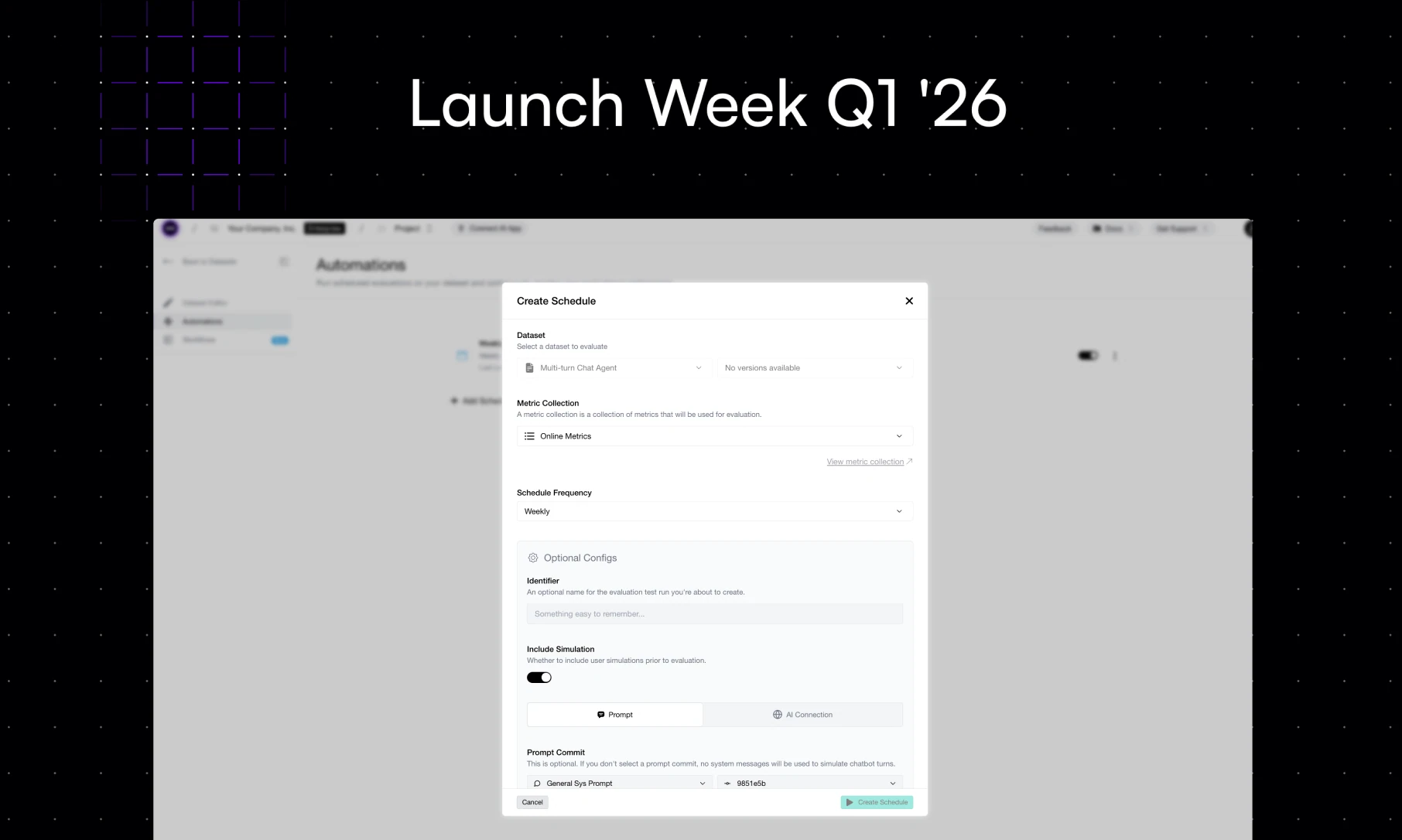
Everyone agrees evals should run regularly. But nobody remembers to actually run them. Scheduled Evals fixes that — set the frequency, configure your mappings, and never scramble before a release again.
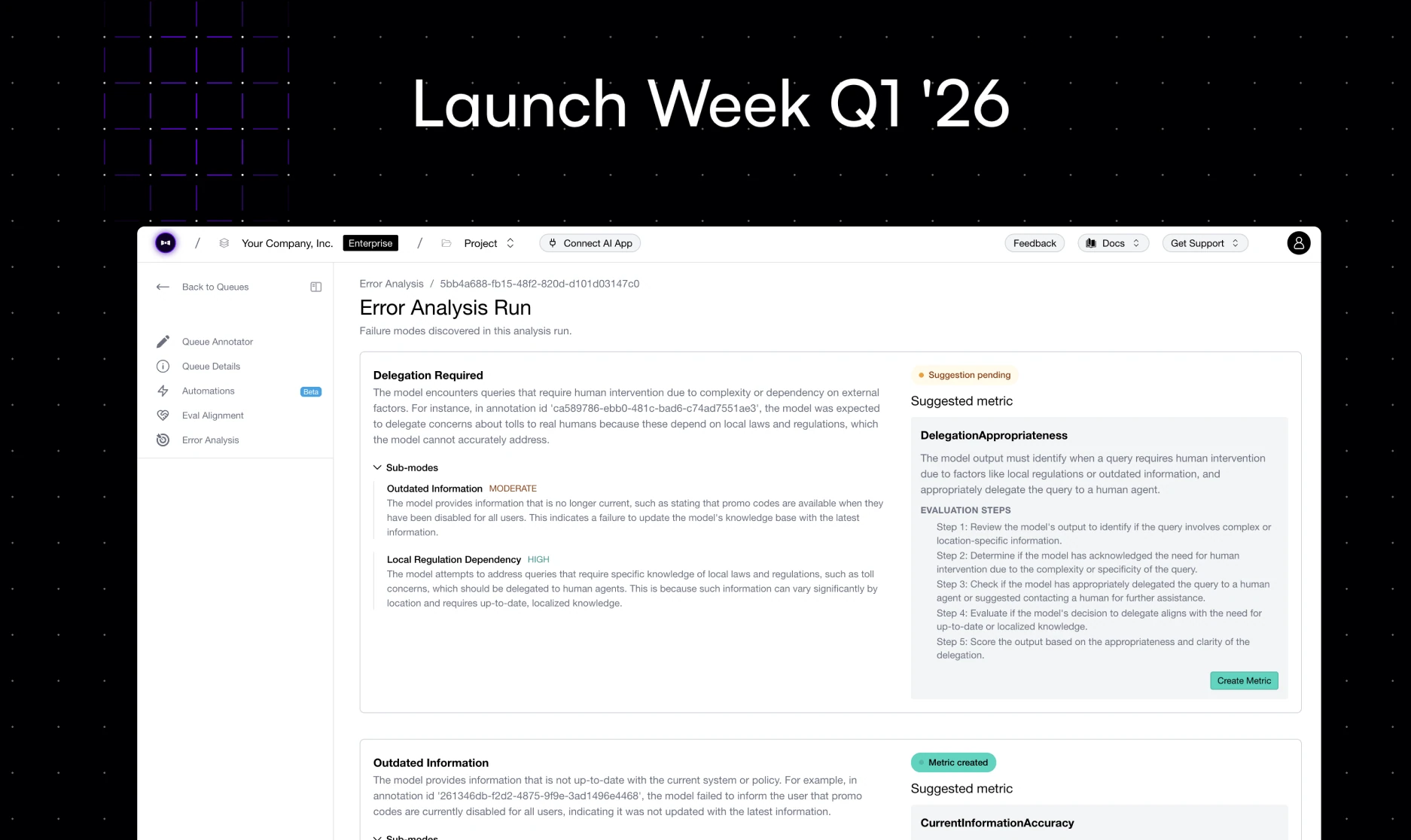
Error analysis used to mean pulling traces in code, hacking together an LLM to recommend metrics, and hoping for the best. Confident AI now does it for you.

In this article, I'll break down multi-turn LLM evaluation — how it differs from single-turn, what metrics actually matter, and how to implement it.
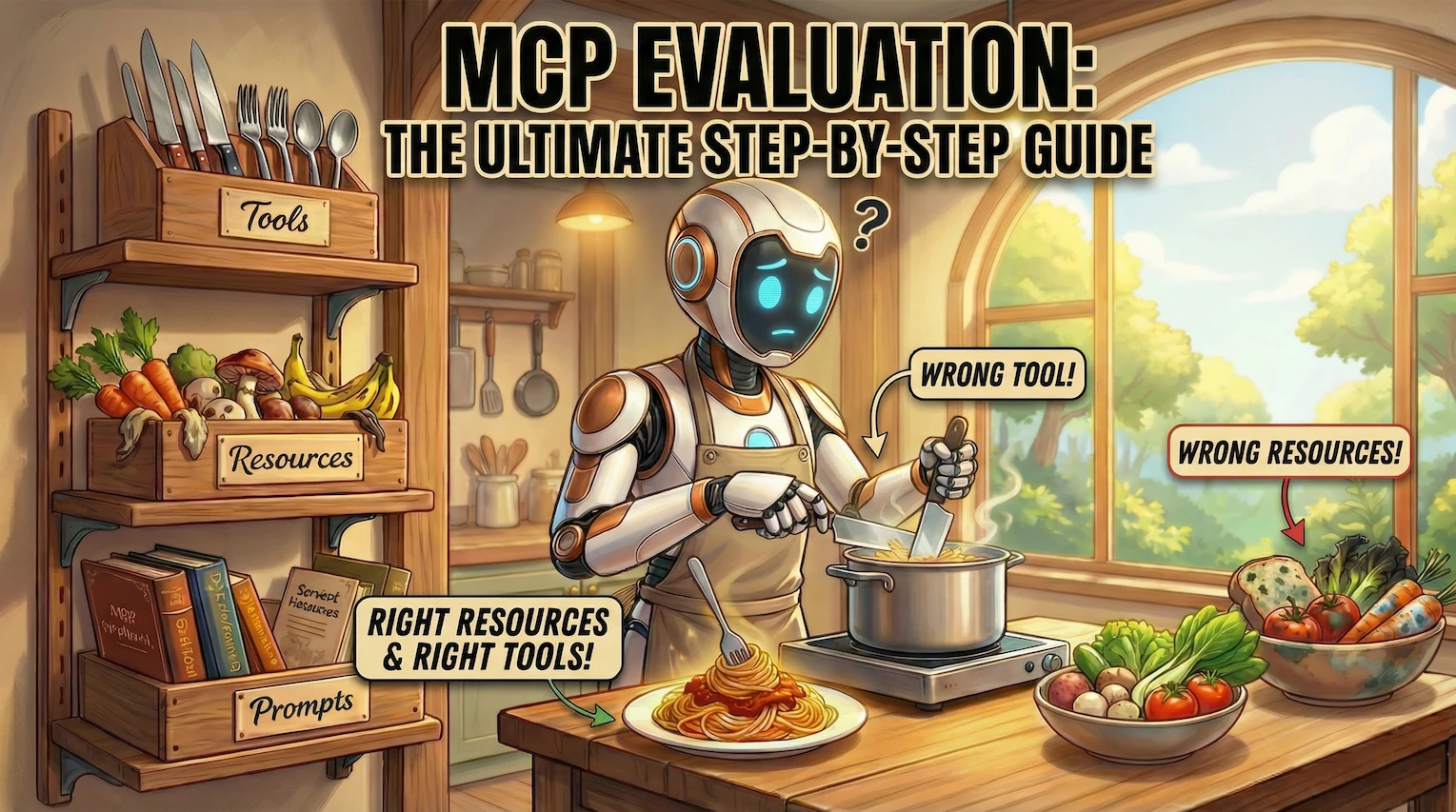
A step-by-step guide to MCP evaluation: how to test MCP-based LLM apps and agents, measure tool use and task completion, and catch failures with DeepEval.