Stay Confident.
The latest developments, best practices and deep dives on AI evals.
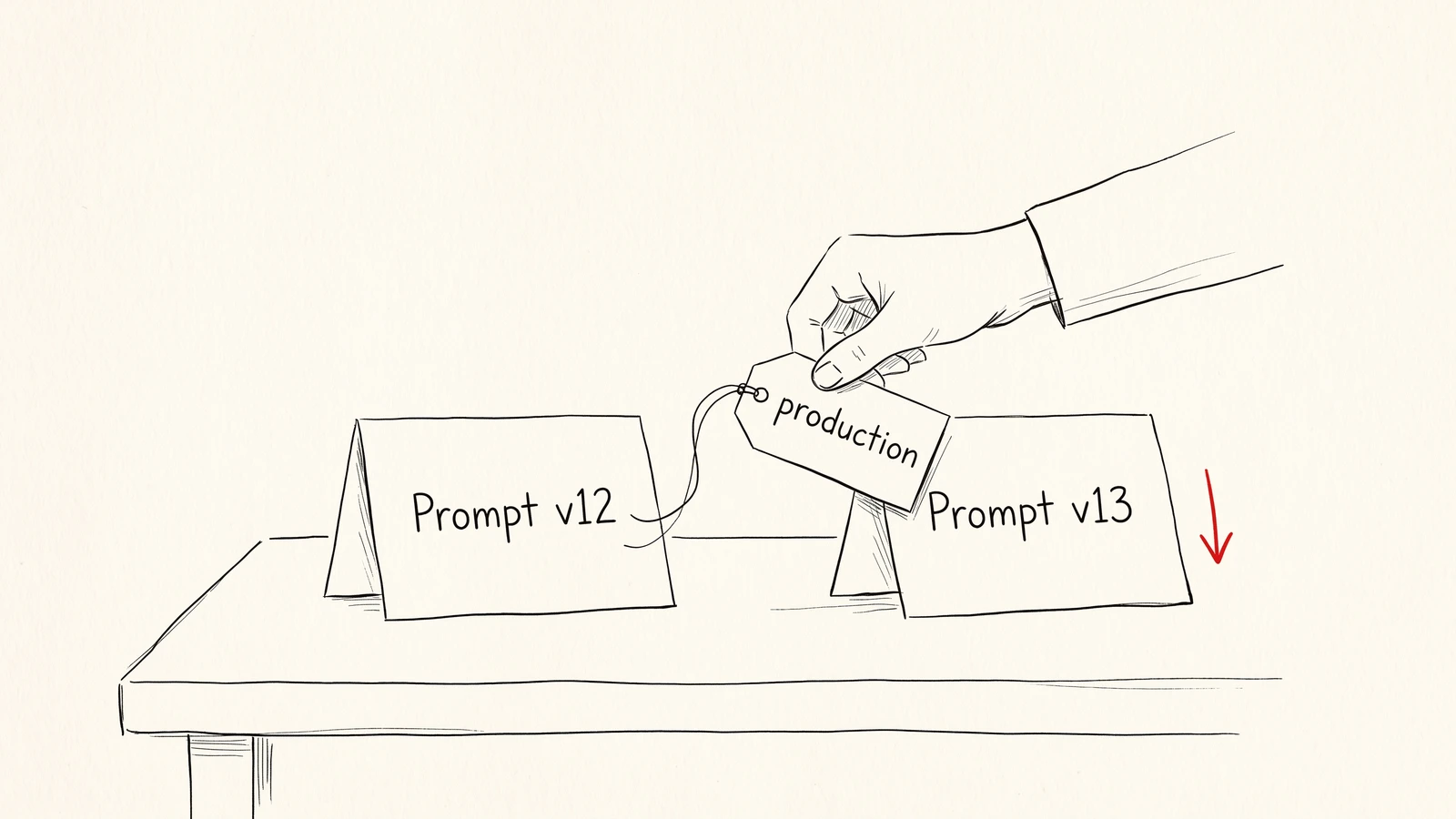
Prompt monitoring ties every production LLM call to the prompt version behind it. How to set it up, what to watch, and how to catch regressions.
The right evals start with real production failures, not a list of generic metrics. Here is a practical workflow for discovering issues, validating them with humans, and turning them into durable evaluation coverage.

Everything you need to know about AI agent observability in 2026 — traces, spans, and threads; online and offline evals; production monitoring; and closing the feedback loop so failures never repeat.

A practical guide to human-in-the-loop workflows for AI agent evaluation: how SMEs review AI agent failures, align automated metrics, and improve evaluation datasets.
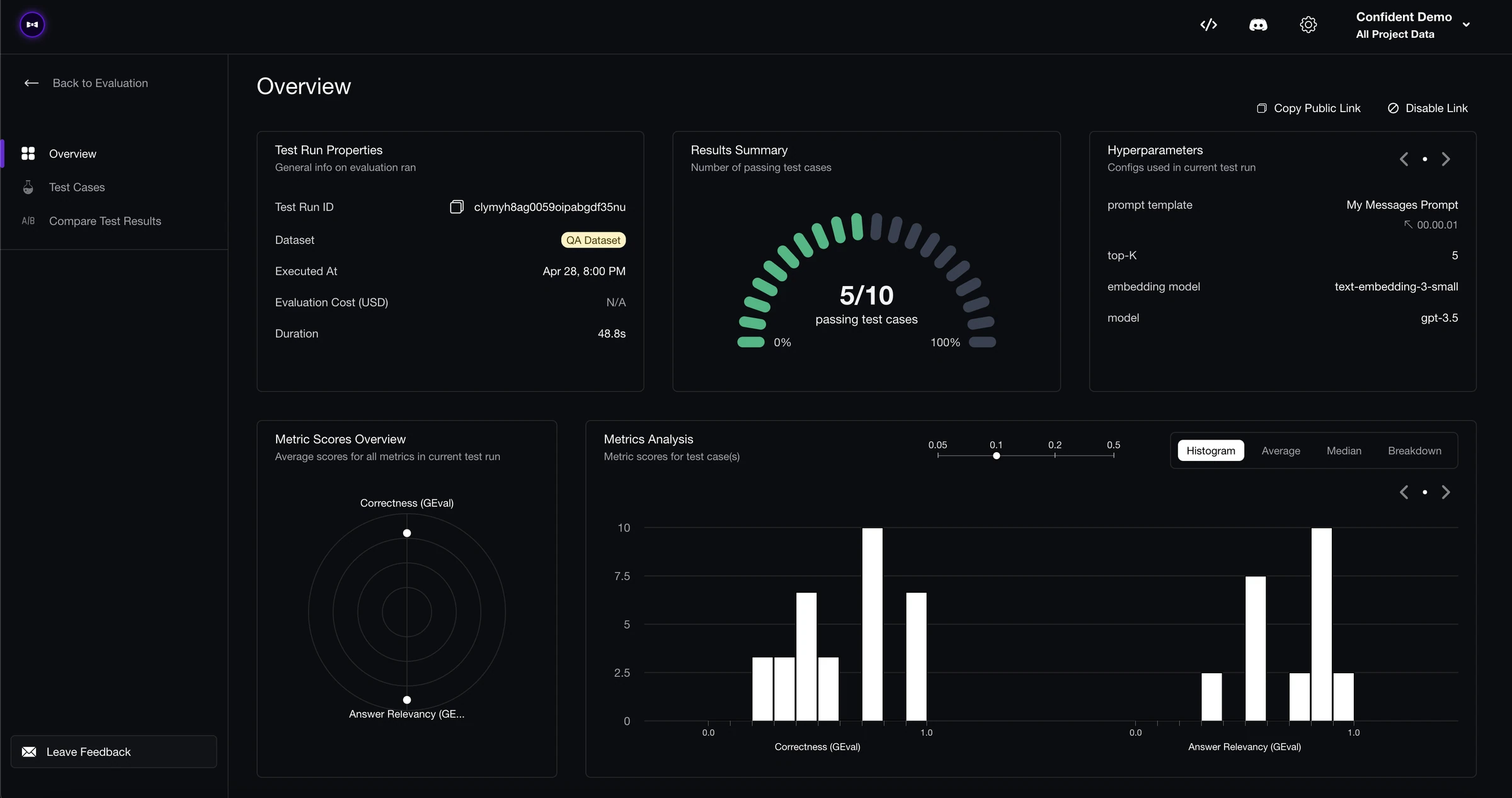
A practical guide to LLM product manager workflows, built around the two things PMs can finally do without waiting on engineering: build on the AI product by editing prompts, running evals, and comparing variants, and monitor quality with dashboards, signals, and shareable evidence.

A practical guide to running LLM experiments across prompts, models, tools, datasets, metrics, production A/B tests, and human-in-the-loop feedback loops.
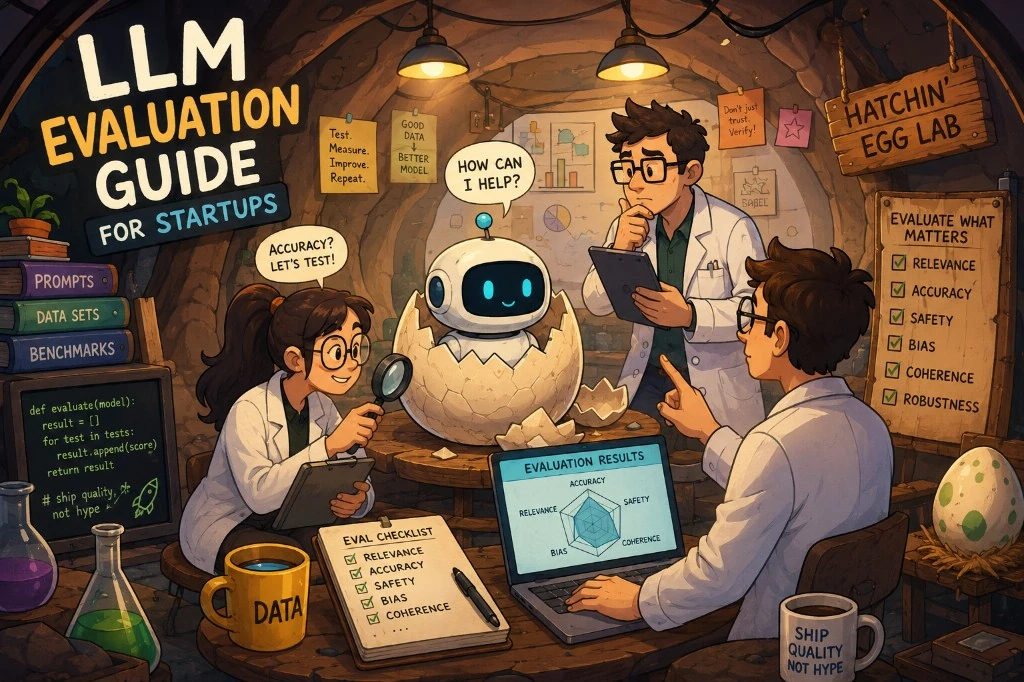
A practical LLM evaluation guide for startups: build a small dataset, use the 2 + 3 metric rule, run CI/CD evals, and grow coverage from production signals and human review.
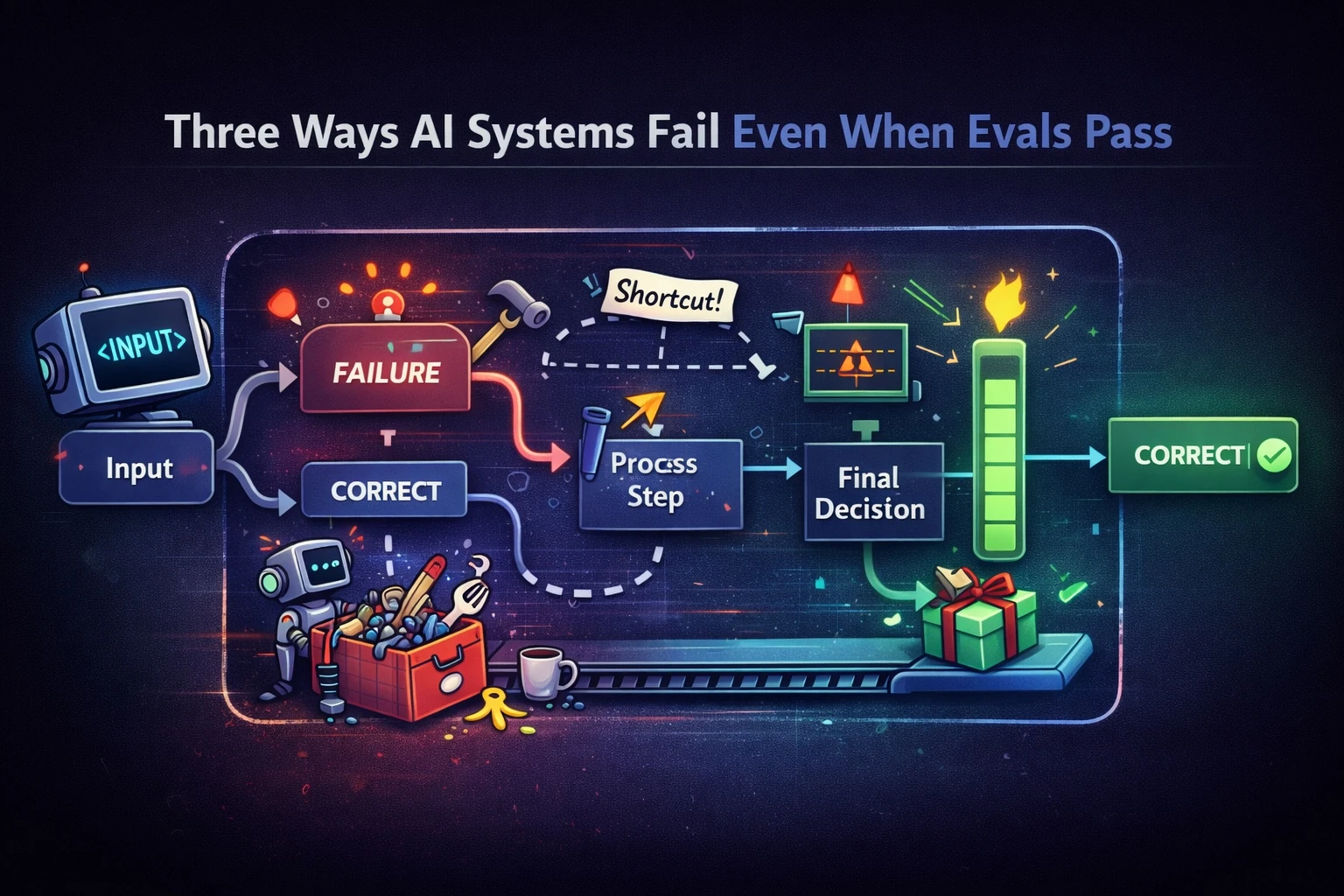
AI systems can pass evals while still behaving incorrectly. This post explores three common failure modes that slip through output-based evaluation.
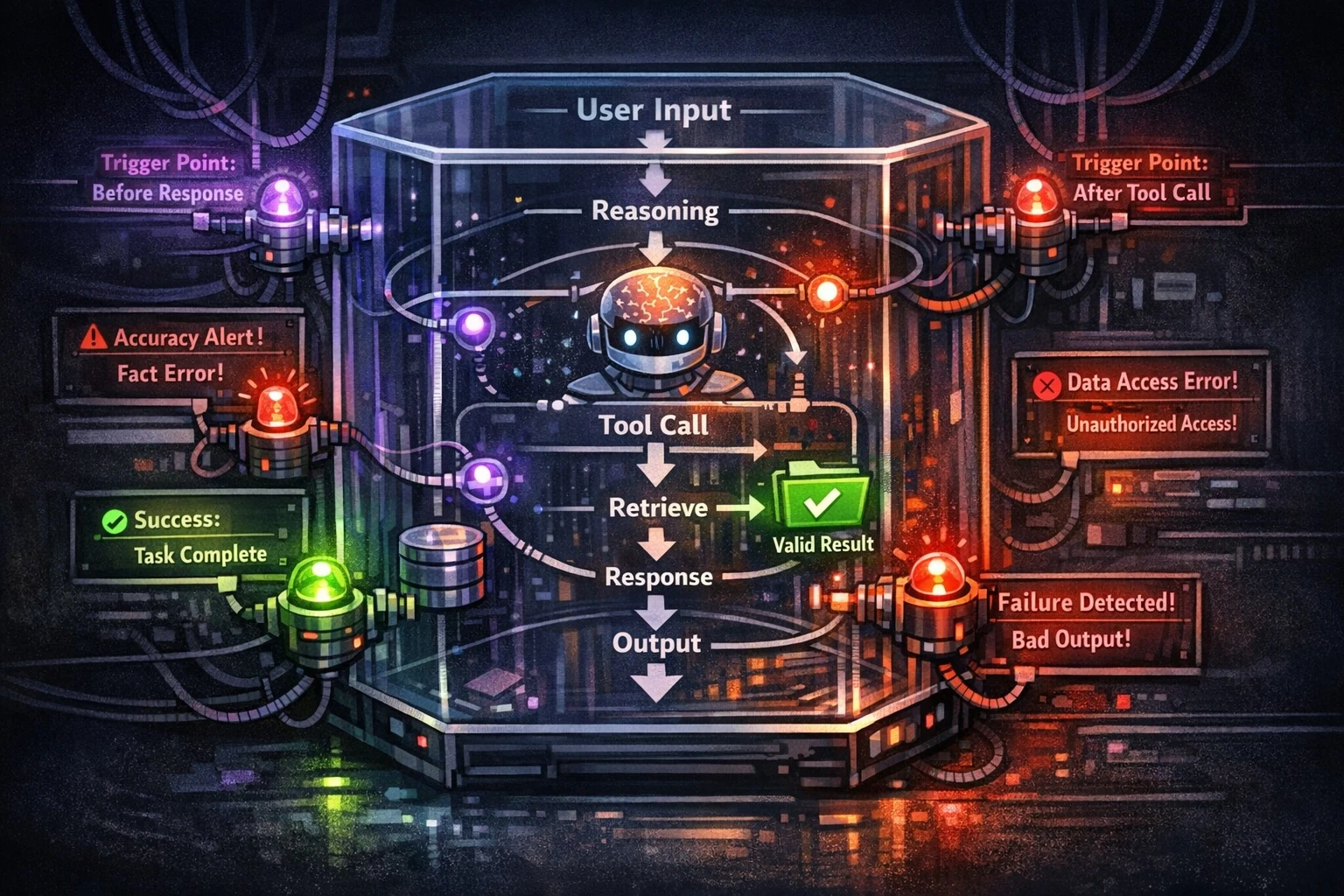
Passing evals doesn't mean your AI agent works — it means your tests missed how it fails. Why output-based evals create false confidence and what to measure instead.

In this article, I'll break down multi-turn LLM evaluation — how it differs from single-turn, what metrics actually matter, and how to implement it.