Stay Confident.
The latest developments, best practices and deep dives on AI evals.
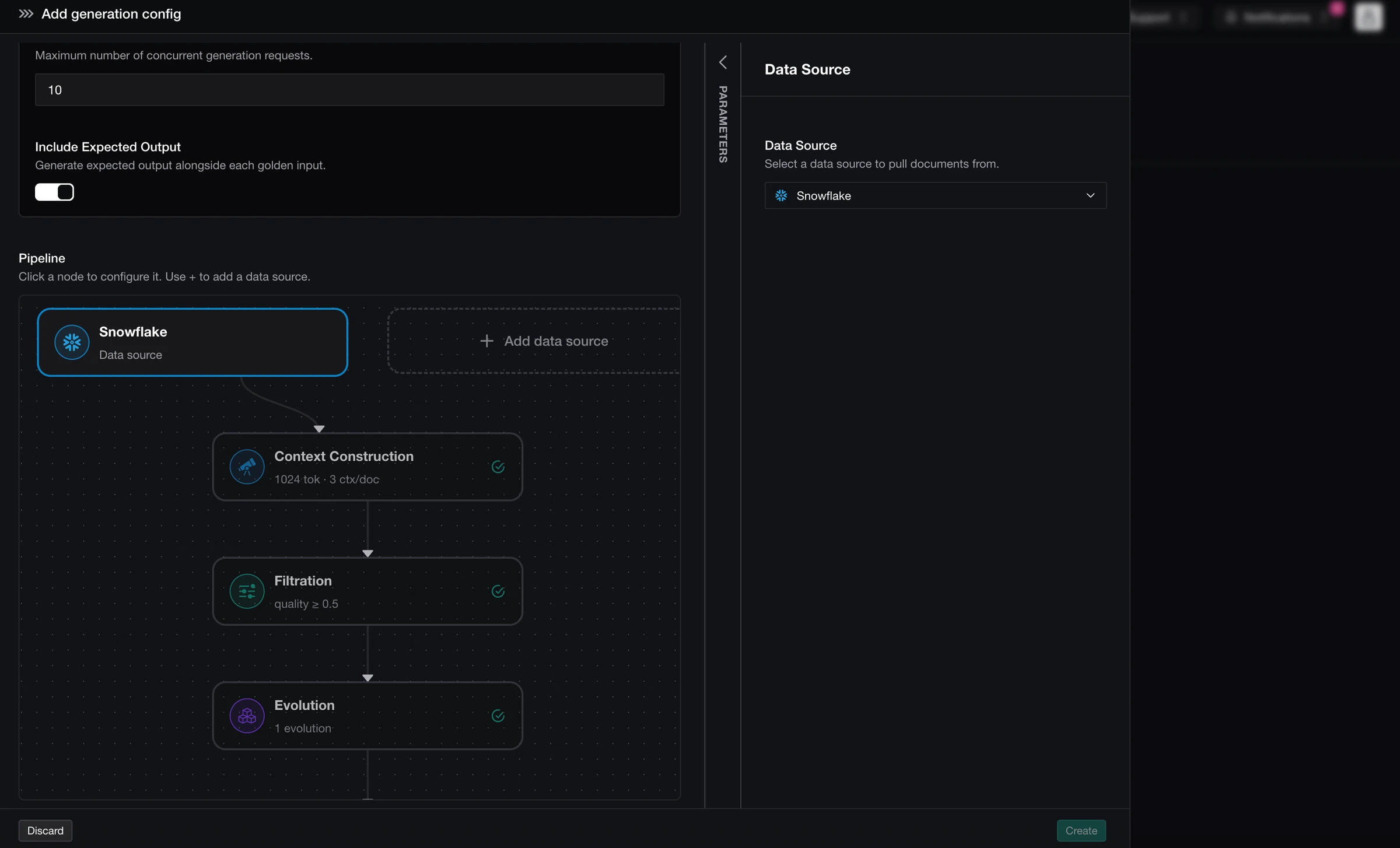
Many teams already had great synthetic data generation pipelines running locally, but consolidating that work on one platform usually meant giving up flexibility. Synthetic Data Generation Pipelines bring that control into Confident AI: choose the sources to draw context from, wire them together, and tune each generation step.
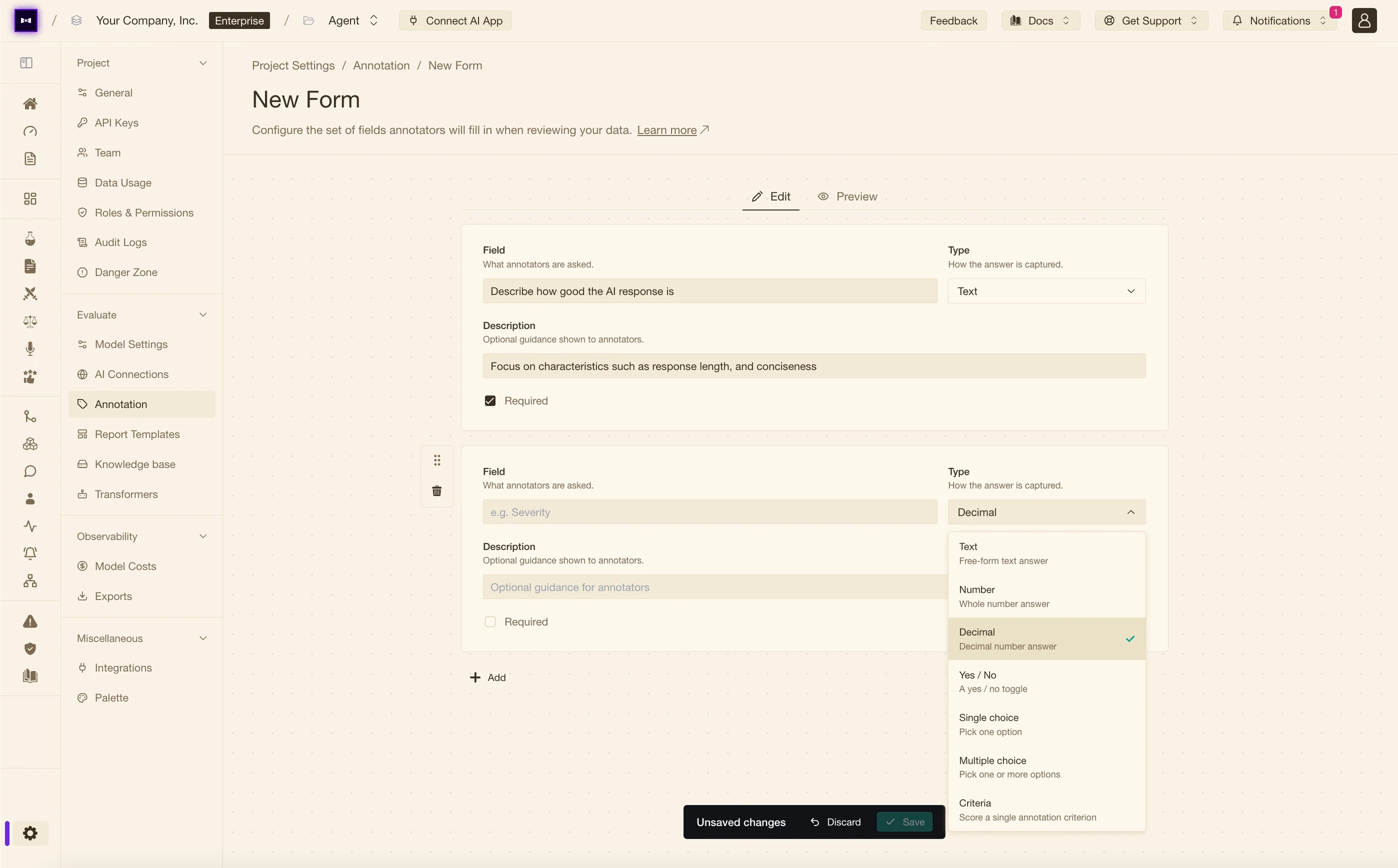
Human review only helps if everyone captures the same thing. Annotation Forms let you define the exact set of fields reviewers fill in — text, numbers, scales, yes/no, single and multiple choice, and scored criteria — so every annotation comes back structured, consistent, and ready to act on.
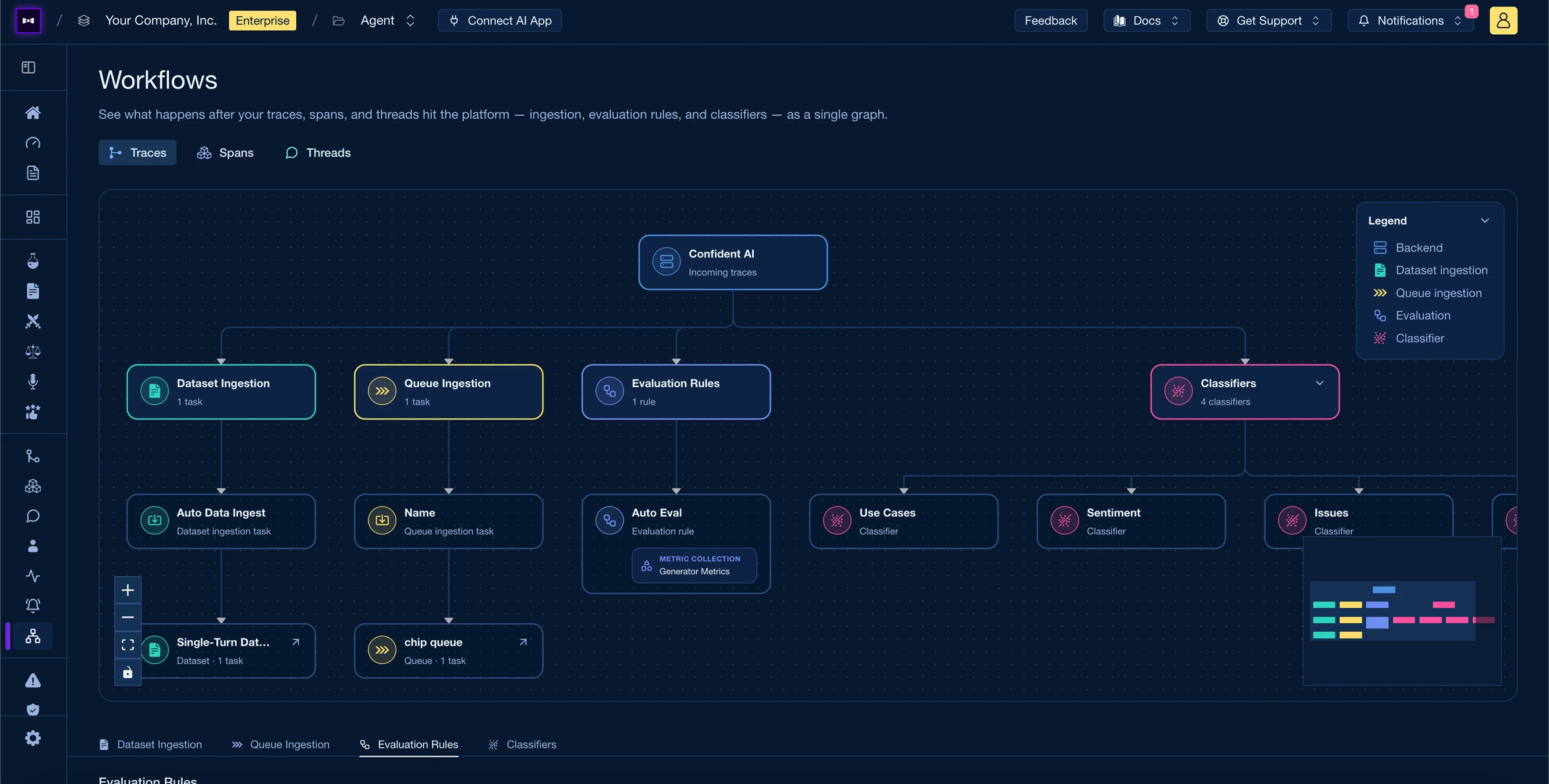
Dataset ingestion, queue ingestion, evaluation rules, and classifiers have lived on Confident AI for a while — but in separate corners of the product. Workflows brings them into one interface: a single graph of your post-ingestion pipeline, with a tab to configure each task. Here's how it works.
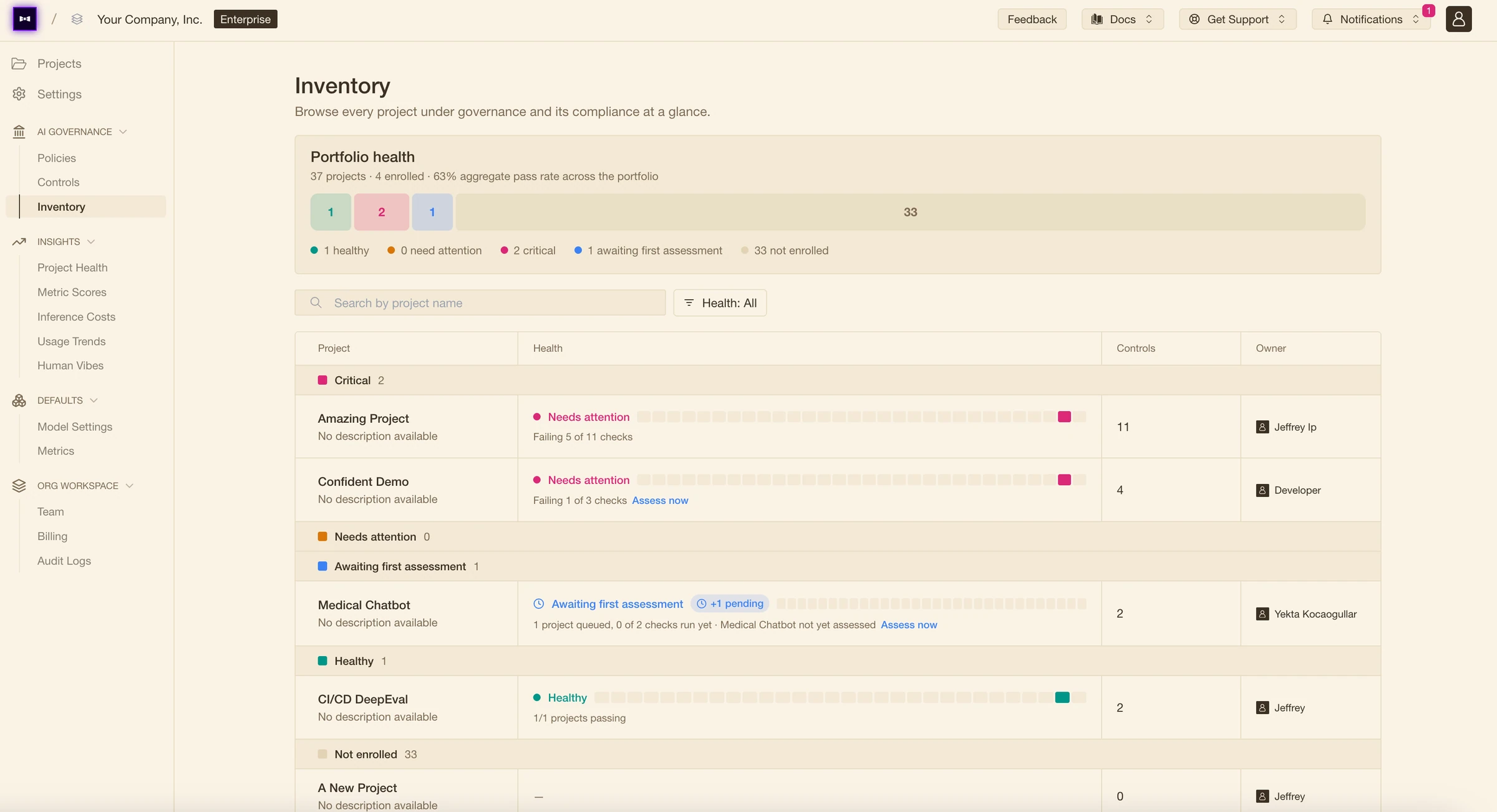
As AI spreads across an org, every team evaluates differently and no one can answer 'is this ready to ship?'. AI Governance is the layer on top of the evals, observability, and red teaming your teams already run — turning those signals into one standard, enforced at deploy time.
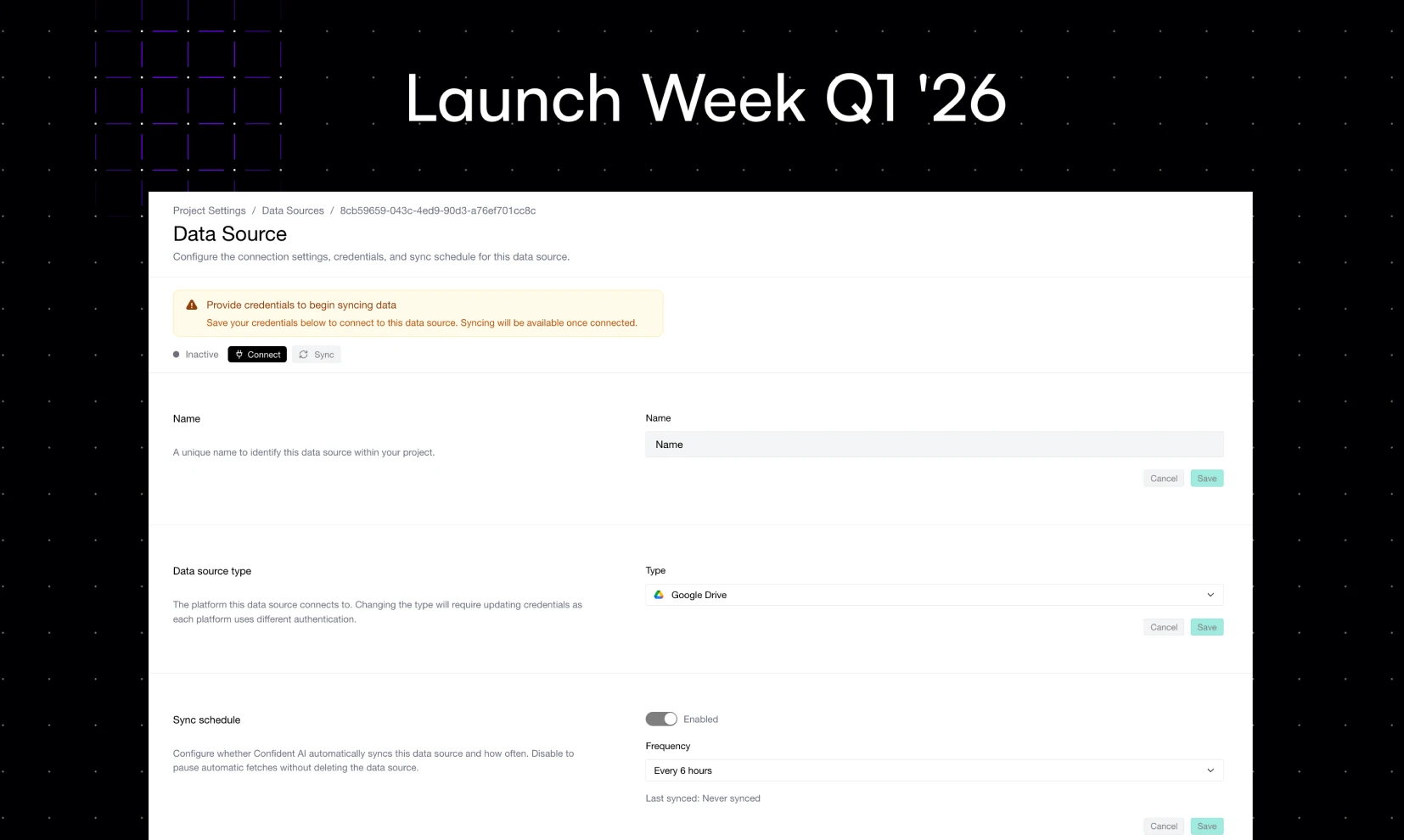
Your best evaluation data already exists — it's sitting in Google Drive, SharePoint, Notion, and S3. Dataset generation on Confident AI turns your existing documents into evaluation-ready datasets automatically.
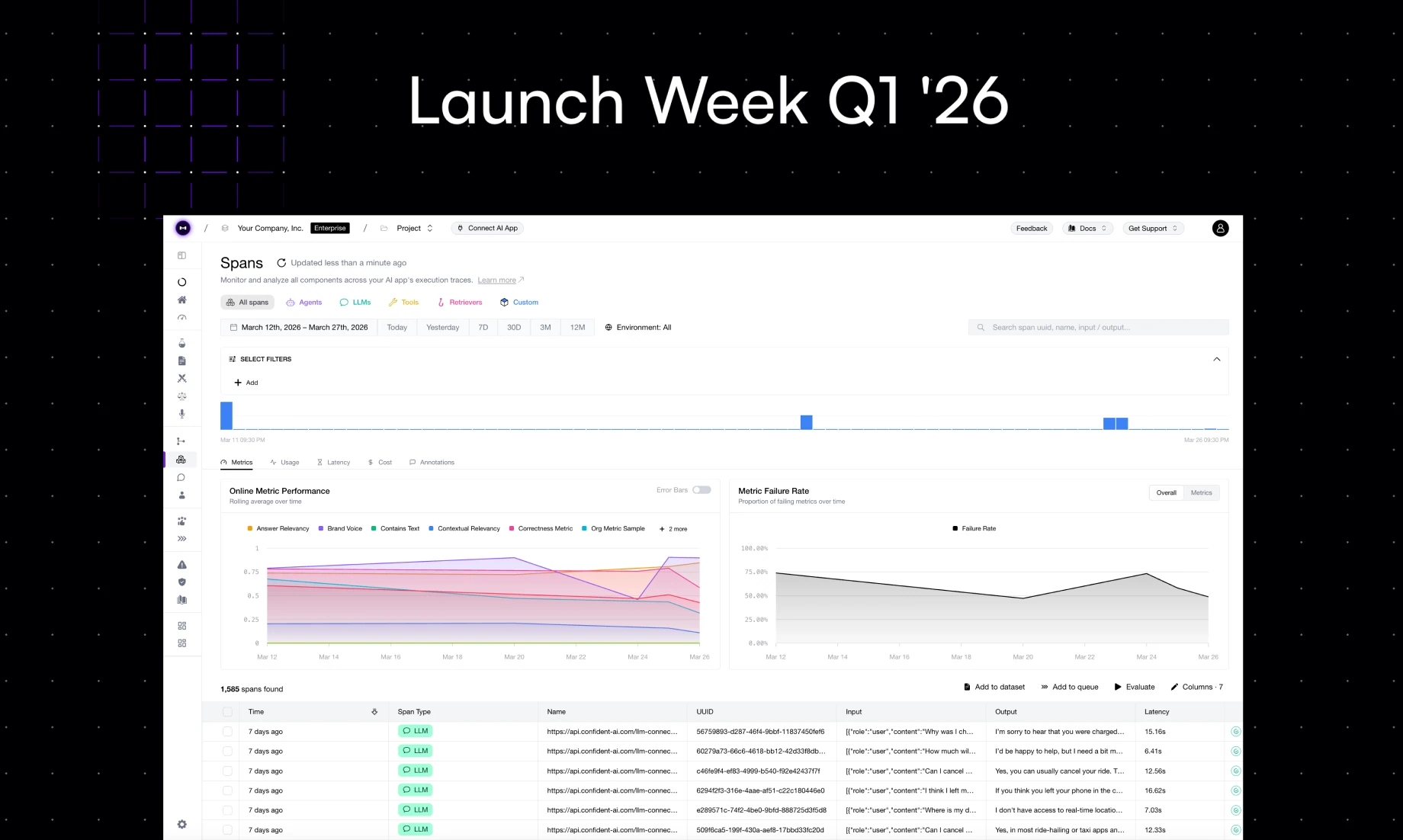
You can't improve what you can't see. Auto-categorization tells you what your users are actually asking, detects response drift, and shows you which categories perform best — and which ones need help.
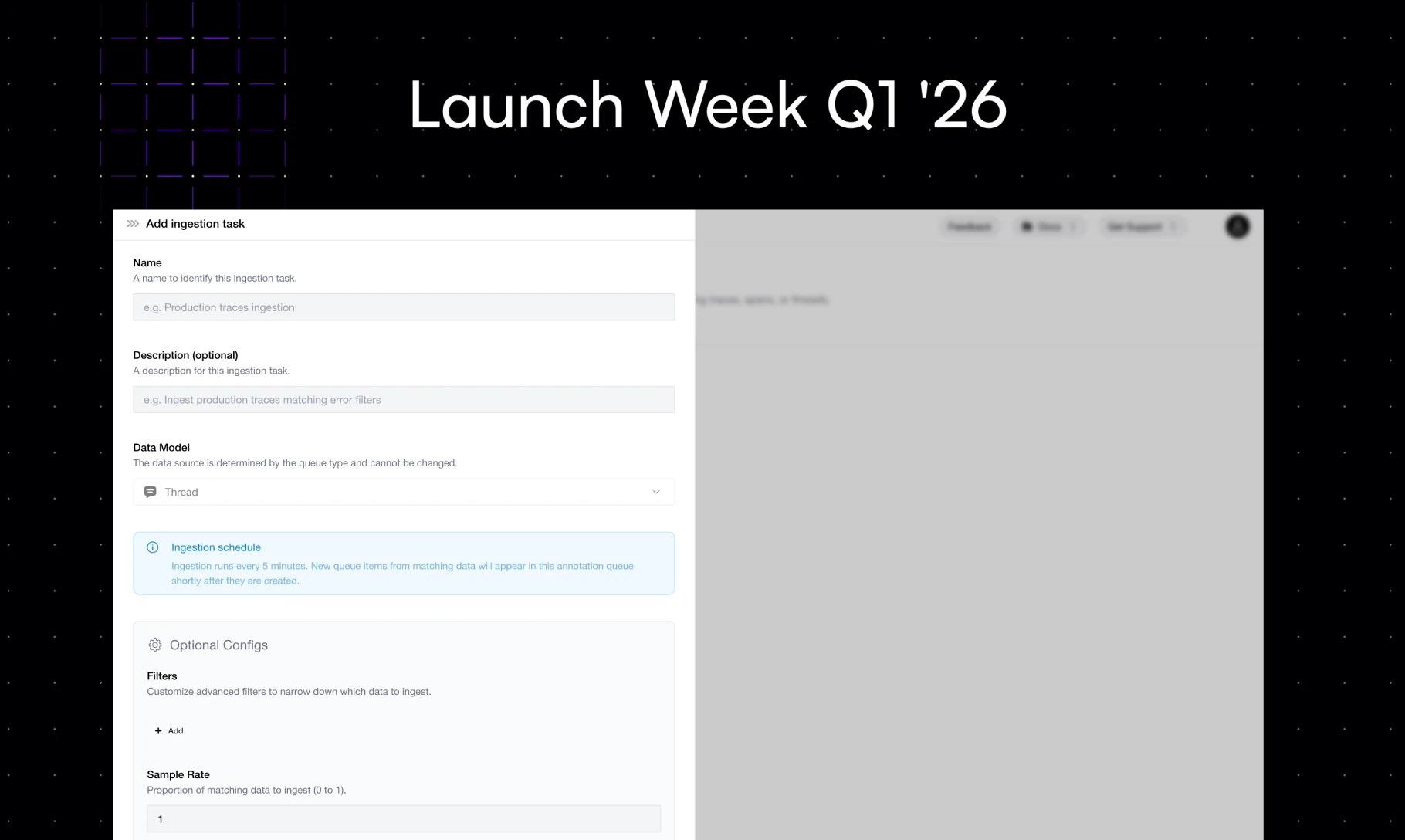
Production traces are the best dataset you’ll ever get — but most teams never turn them into one. With auto-ingest, your traces flow straight into datasets and annotation queues, continuously.
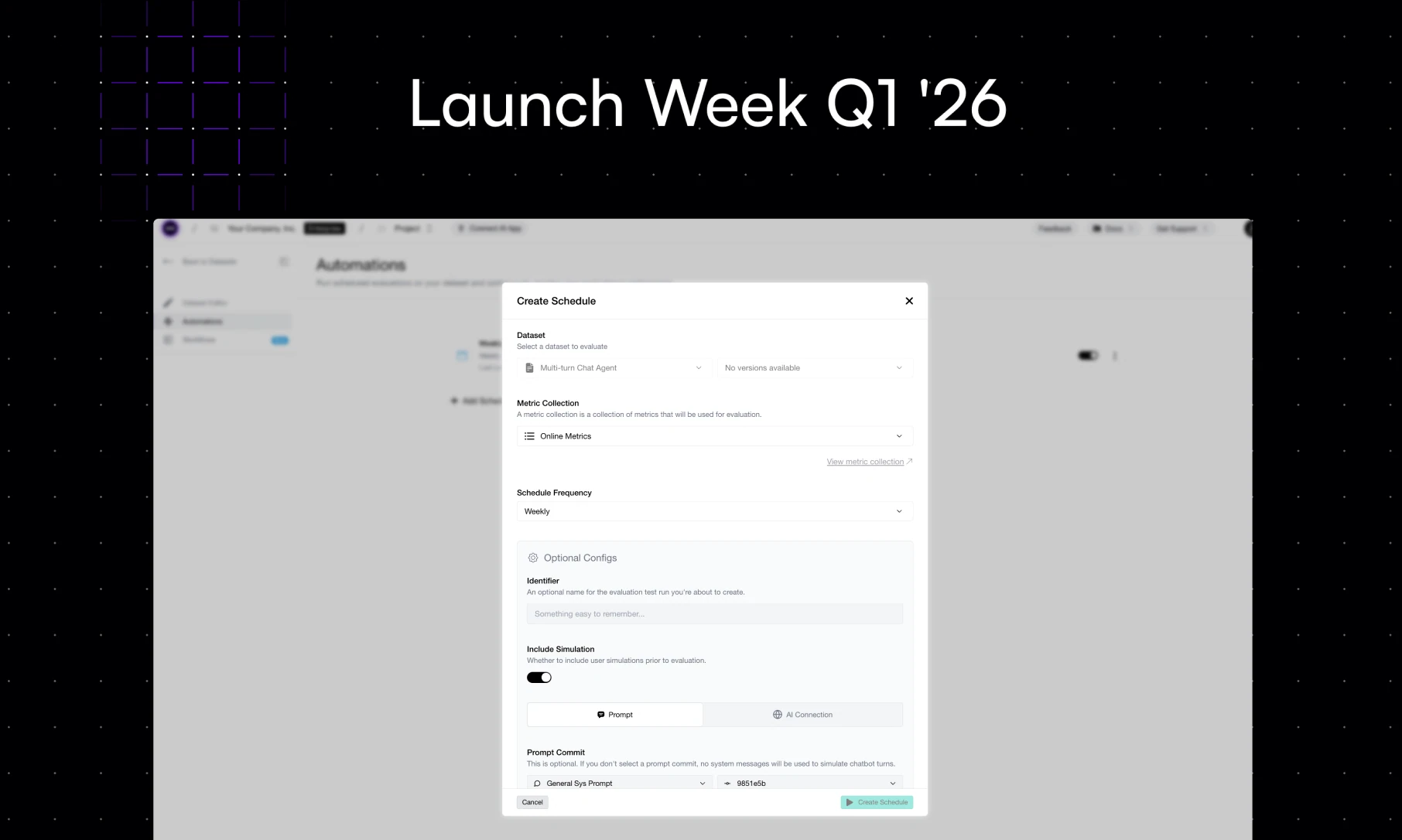
Everyone agrees evals should run regularly. But nobody remembers to actually run them. Scheduled Evals fixes that — set the frequency, configure your mappings, and never scramble before a release again.
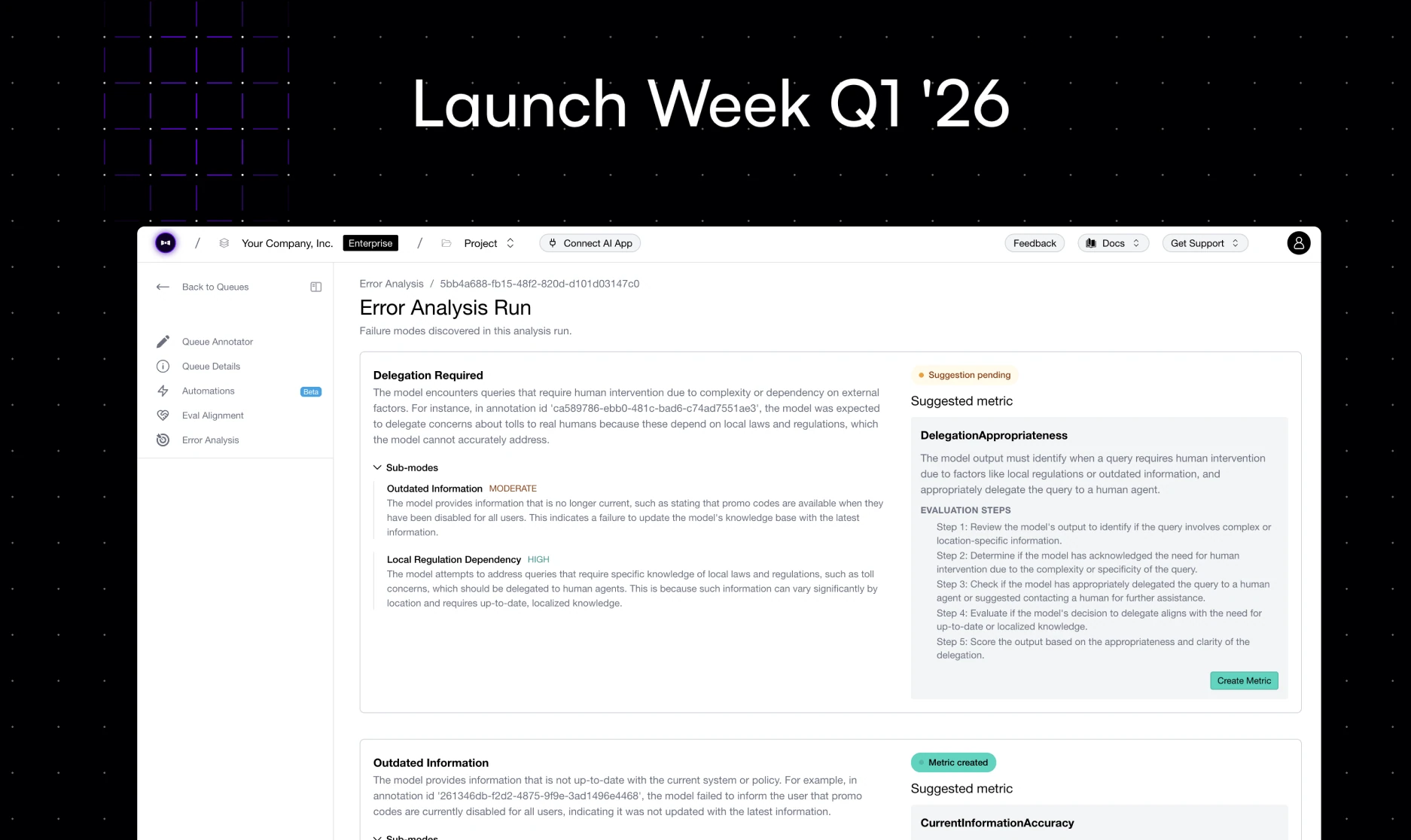
Error analysis used to mean pulling traces in code, hacking together an LLM to recommend metrics, and hoping for the best. Confident AI now does it for you.